
Technology Whistleblower, AI Fraud, and Digital Ad Fraud Group
Representing Insiders Who Report False Claims About What Technology Does
Money follows claims about technology. Investors fund a capability. A government agency buys a system on the strength of what it is said to do. A customer signs because the product is described as automated, secure, or intelligent. An advertiser pays for attention that is said to be human.
When those claims are false, and someone relied on them, the people inside the company who know the difference between the claim and the product are often the only ones who can say so.
We represent those people. This page covers fraud where the technology itself is what was misrepresented. The firm handles fraud and qui tam matters across every industry, and this practice group works alongside that established practice rather than in place of it.
See the firm’s Whistleblower and Qui Tam practice.
Where These Cases Arise
Overstated AI Capability / AI Washing
A company describes a product as artificial intelligence when the work is being done another way, or claims a level of automation, accuracy, or autonomy the system does not have. Where those statements were made to investors or to the public markets, securities law may apply. Conversely, companies may describe their services as being 100% human or guarantee no AI was used, when in fact AI was part of the process. Those misleading and false statements may be unlawful under consumer protection laws. Likewise, if made to investors or public markets, securities law may apply.
Digital Advertising Fraud
Advertising is bought on the basis of measurement, and the measurement is produced by the same systems that are paid according to it. Inventory misrepresented as premium. Impressions and engagement attributed to people when they were generated by software. Placement described as brand safe when it was not. Reporting that cannot be reconciled with what the platform actually delivered.
Where public money is involved, these misstatements can engage the False Claims Act. Where they were made to investors, securities routes may apply.
Cybersecurity Representations in Government Contracts
A contractor represents that a system meets a security standard it does not meet, including self-assessment scores, incident reporting obligations, and requirements about where controlled information may be stored.
Misstatements About Training and Data
Claims about how a model was built, what it was trained on, or what data was lawfully obtained. These misstatements can reach investors, customers, and regulators at the same time.
Accounting and Revenue Recognition in Technology Companies
Rapid growth and unusual contract structures create pressure on how revenue is recognized and reported.
Hardware, Import, and Customs
Artificial intelligence runs on hardware, and hardware is imported. Misstatements of origin, classification, or value in customs declarations can give rise to False Claims Act exposure.
Undisclosed Regulatory Exposure as an Investor Claim
A company that knows it is operating outside a major regulatory regime is carrying a liability. If it has not told its investors, the problem is no longer only a compliance problem.
A United States company knowingly operating in breach of a data protection regime such as the General Data Protection Regulation is exposed to significant enforcement and litigation risk. Where that risk is material and has not been disclosed to investors, the non-disclosure can itself give rise to securities exposure, independent of whatever the underlying regulator eventually does.
This matters for a practical reason. Many data protection regimes give an individual little or no direct route of their own. The investor-facing claim does not depend on that route existing.
The Routes Available
Different facts lead to different routes, and they are not interchangeable.
The False Claims Act, where the loss was to the federal government. A private party may bring the action on the government’s behalf and may receive a share of the recovery.
The Securities and Exchange Commission whistleblower program, for misstatements to investors or to the market, including undisclosed regulatory exposure.
Other agency award programs, depending on the subject matter.
State false claims statutes, where state funds are involved.
Securities class actions, which in some circumstances provide a route where a regulatory statute itself gives individuals none.
Retaliation claims, which stand on their own regardless of whether an award route is available.
Each of these routes is explained in more detail on the firm’s whistleblower and qui tam pages, which cover them across all industries.
Why the Order of Steps Matters
In this area, sequence affects outcome more than in most litigation.
Award programs generally favor the first person to report. Public disclosure of the underlying facts can affect eligibility. Certain filings must be made under seal, which means telling the wrong person first can compromise the matter.
The practical consequence is that advice before a report is made is worth considerably more than advice afterward.
If You Are Still Employed
Do not take documents you are not authorized to take. It is the most common way a strong matter is damaged, and it creates personal exposure that did not previously exist.
Preserve what you lawfully have. Keep a dated record in your own words, outside company systems. Then take advice before escalating.
The Practice Group
The Technology Whistleblower, AI Fraud, and Digital Ad Fraud Group is co-chaired by:
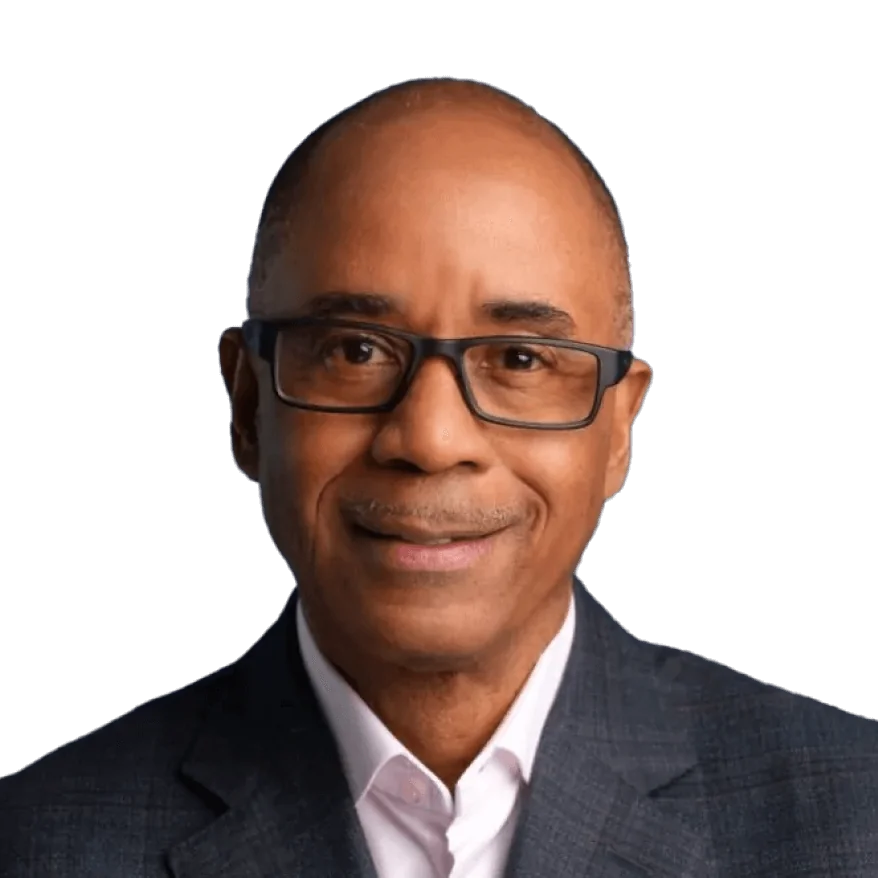
- Vince McKnight, Co-Vice Chairman of the firm and Co-Chair of its Whistleblower and Qui Tam Practice Group, who serves on the Board of Directors of The Anti-Fraud Coalition.
- John McKnight, Partner and Co-Chair of the Whistleblower and Qui Tam Practice Group, who represented the former Chief Security Officer of Wells Fargo in the “fake account” matter.
The group also includes Of Counsel Dacey Romberg; Senior Litigation Counsel Ting Cheung, Sarah Chu, and Frank Xu; and Associates Denise Choung, Summer Guo, and Erica Roberts.
Speak With Us
Consultations are confidential. If you are weighing whether what you have seen is reportable, that conversation can happen before you decide anything.
Frequently Asked Questions
What counts as technology or AI fraud?
A false statement about what a technology does or how it was built, made to someone who relied on it. Common examples include describing a product as artificial intelligence when the work is performed another way, misrepresenting cybersecurity controls in a government contract, misstating advertising delivery or engagement, and misstating how a model was trained or what data it used.
What is digital advertising fraud?
Misrepresentation of what an advertiser received for what they paid. That includes inventory described as premium when it was not, impressions and engagement attributed to people when software generated them, placement represented as brand safe when it was not, and reporting that cannot be reconciled with actual delivery. Where public money or investors are involved, these misstatements can support a claim.
Can I report my company for violating data protection law even if there is no whistleblower award?
In some circumstances the absence of an award program under the data protection regime itself is not the end of the analysis. A company that knows it is operating in breach of a major regime carries material litigation and enforcement risk. If that risk was not disclosed to investors, the non-disclosure can raise separate exposure, and separate routes may be available to the person who reports it.
My case is fraud but it has nothing to do with technology. Can the firm still help?
Yes. The firm handles fraud and qui tam matters across industries through its established whistleblower and qui tam practice. This page covers the subset where the technology itself is what was misrepresented. If your matter is fraud of another kind, the firm’s whistleblower and qui tam pages are the right starting point and the same attorneys are involved. See here.
Can I receive an award for reporting?
In some circumstances. The False Claims Act allows a private party who brings an action on the government’s behalf to receive a share of what is recovered, and the Securities and Exchange Commission operates an award program for reports of securities violations. Eligibility depends on what was reported, to whom, when, and whether the information was already public.
Do I have to report to the government first?
It depends on the route. Some paths require a filing before or instead of an internal report, and certain filings must be made under seal. Because the order of steps can affect both the matter and any award, this is one of the few areas where taking advice before acting is close to essential.
Am I protected from being fired for reporting?
Several statutes provide protection against retaliation for reporting suspected fraud, and those protections are separate from any award. A retaliation claim stands on its own even where no award route is available, and it covers more than dismissal, including demotion, exclusion, and constructive dismissal.
The company is private, not public. Does that matter?
It affects which route applies rather than whether you have one. Securities routes are directed at misstatements to investors, which can include private company investors depending on the facts. Where federal money or a government contract is involved, the False Claims Act does not depend on the company being public at all.
Practice Group
Co-Chairs

Client Testimonials
“I wanted to express my heartfelt thanks to Sanford Heisler and David Sanford, Andrew Macurdy, Tracey Zhang, and Laura Jiang. Before finding them, I reached out to three other law firms. Two never responded, and the only one that did told me they lacked confidence in the case and would only take it on an hourly billing basis.
My experience with Sanford Heisler was completely different from the very beginning. The chairman David Sanford responded to my inquiry the very same day, and Andrew even took the time to reply late that night and we met the following day. After reviewing the details, Andrew confidently agreed to take on my case.
Together with Tracey and Laura, they handled everything with professionalism, integrity, and genuine care. Their teamwork, responsiveness, and expertise were exceptional throughout the entire process. Eventually, the team helped me achieve a successful settlement.
I am truly grateful to Andrew, Tracey, Laura for their hard work and unwavering support. If you’re looking for a legal team that is responsive, trustworthy, highly skilled, and truly cares about their clients, I wholeheartedly recommend them.”
– Former Executive at a Fintech Company
I want[] . . . to express my deep gratitude to you and your entire team for the exceptional support and guidance I received throughout this challenging time. Your collective professionalism, attention to detail, and dedication undoubtedly made a significant difference in the outcome of my settlement. I would like to extend my appreciation to everyone involved, especially Ting and Ashley, for making sure every detail was taken care of. It’s clear to me that the success I experienced was a result of the combined efforts of all of you. While I hope not to find myself in need of legal assistance again anytime soon, I take solace in knowing that there’s a team like yours that I can rely on. From the bottom of my heart, thank you. Your support has been immeasurable.”
– Former Client and Tech Executive
“I never thought that I would ever need an employment lawyer. Unfortunately, I was incorrect. I did not know where to turn as I had just moved into a state where I had no personal connections or a strong professional network. A colleague recommended Sanford Heisler Sharp McKnight and I cannot praise this team enough. I would like to publicly honor and thank Kevin Sharp, Schwanda Rountree, Elias Schultz, Reilly Dodd, and Sydney Browne. Their professionalism, dedication to the client, and technical knowledge of the law are all key to our successful engagement. I am eternally grateful for this team and their dedication to helping me with a very difficult situation. If you need legal assistance, there is no better team.”
– Former Client Tech Executive
“David Sanford and Danielle Fuschetti helped me with two cases with great results. They were attentive to detail from the first call and assisted me every step of the way with an unbelievable work ethic. It took David and every brilliant team member’s hard work to achieve a satisfactory outcome. I am forever grateful for being able to find such a great team to work with. The team at Sanford Heisler consists of great people who are not only very skillful in the legal domain, but are also wonderful human beings with the highest degree of empathy for their clients. They helped me to go through the process of a lengthy legal battle with relative ease because I was confident that they were behind me to support, to consult, to help. David exemplifies how a great lawyer and human being should behave and conduct business. The firm he built is wonderful and I would recommend anyone who has any doubt in their workplace to contact David and Sanford Heisler Sharp McKnight.”
– A Female Director in a Tech Company
“The team at Sanford Heisler Sharp McKnight stands out for their exceptional professional skills, and unmatched attention to detail to identify the personal impact the case has on you; and fighting as a team to win. They are extremely good at bringing all parties to mediation and driving a successful settlement, not intimidated by anyone. David Sanford, Janette Wipper, and Surabhi Dhar were exceptional employment attorneys who handled my case. I would any day recommend this team to achieve winning outcomes.”
– Former CEO of Major Tech Company
“Dealing with an employment issue with a big company for the first time, I quickly learned that it is nothing like a Hollywood courtroom drama. You need a lawyer with expertise, skill and good judgment. Michael Lockman was all of that and more: calm, diplomatic, and laser-focused on both the legal strategy and the personal strain the situation put on me. He was always reachable, gave clear, balanced advice, and steered us toward an outcome that was not only exactly what I’d hoped for, but reached swiftly – saving me months of needless stress. If you need counsel that treats you like a person, not just a case file, Michael is the lawyer for you.”
– Tech Executive in California
”The abrupt end of employment can be financially and emotionally disruptive and challenging to most people. Add factors such as age, gender, or an unpredictable job market; stress levels can be high. This uncertainty can exist even if a moderate settlement is on the table.
Suppose you think you’ve been mistreated and believe your severance should be more than just moderate. In that case, hiring someone who is an expert in employment law and an excellent strategist and negotiator is advisable. And, recognizing that some discussions may cause the former employee to feel marginalized and maligned, and resolution is often protracted, an essential quality to seek in such a lawyer is the rare but oh-so-significant human touch.
Most A-list employment law firms/attorneys represent defendant employers; finding a top employment lawyer representing the plaintiff/employee who possesses the requisite gamut of desired qualities and skills can be the proverbial needle in the haystack.
I found that needle! She’s Qiaojing Ella Zheng, Managing Partner of the Palo Alto and San Francisco Offices and Asian American Litigation and Finance Practice Group Chair at Sanford Heisler Sharp McKnight!”
– A Grateful Silicon Valley Senior Executive Management Client
“I am appreciative of the level of professionalism and care that I received while working with Kate, James, and Grace. I felt that the team’s passionate and informative approach was what led to our success in going against a tech giant. I can not recommend Sanford Heisler enough and will be forever grateful for their dedication to my case.”
– Former Client, COO
“The team at Sanford Heisler consists of great people who are not only very skillful in the legal domain, but are also wonderful human beings with the highest degree of empathy for their clients.”
– A Female Director in a Tech Company
“In the course of my case, lawyer Ms. Ella Zheng conducted serious investigation and evidence collection, applied her strong expertise to make the case go to the correct directions. And at the same time, Ms. Zheng answered my questions with great patience and always updated the case progress and possible outcomes timely. She did an excellent job.
I am very satisfied with the final settlement. I appreciate my lawyer Ms. Ella Zheng very much!”
– Female software engineer, A Former Client
“Ella and her colleagues at Sanford Heisler Sharp McKnight helped me with my claims against my former employer. They have been very attentive, patient, and knowledgeable. In the entire process, I always felt I was in good hands with the representation. Every call was well prepared, and they frequently followed up as needed.
Employment laws, especially the racial discrimination and wrongful termination part, can get very complicated, and oftentimes proving the right point doesn’t automatically translate into getting the right outcome, yet fortunately, I was given all the patience and detailed explanation I needed. Ella and everyone else all have been empathetic to what I was going through, with the expertise, diligence, and dedication they put in my case that eventually helped me significantly in a critical time of my life.”
– Startup Executive, A Former Client
Recognized as Law Firm of the Year
Civil Rights Firm of the Year
Employment Rights Firm of the Year
Human Rights Firm of the Year

Labor and Employment Firm of the Year

Employment Practice Group of the Year

Benefits Group of the Year